Planning Flower Orders Around Local Growing Seasons
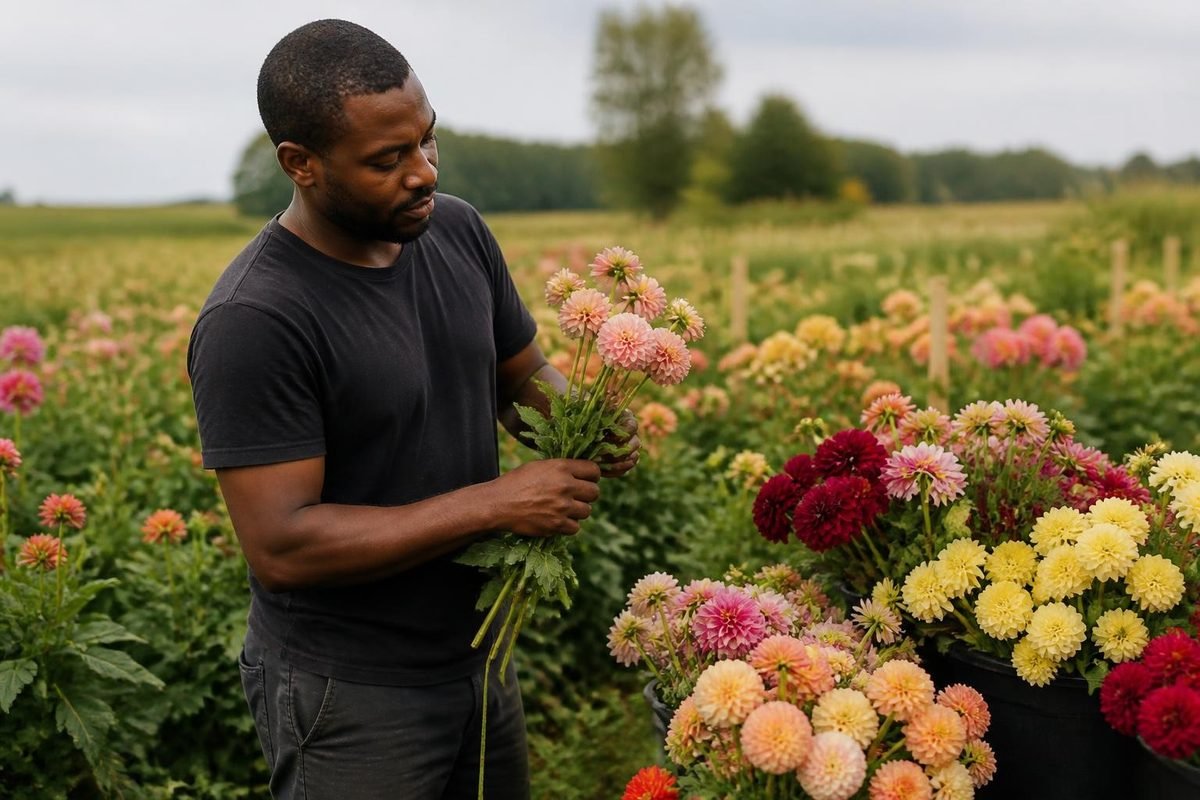
Florists can buy seasonal flowers from nearby farmers by matching orders to harvest times, setting expectations early, and staying in touch as crops develop. Begin by discussing what both businesses need, then create an ordering routine that can adapt to weather and changing availability.
Meet growers and compare growing seasons
Find flower farmers at community markets, through grower groups, or with referrals from other florists. Tell them about your business and ask what they grow, when those flowers are typically ready, and how they handle florist orders.
Give growers a sense of your own calendar as well. They may be able to recommend varieties for busy wedding periods or suggest flowers to feature in everyday arrangements during a slower stretch. Bring a list of the stems you regularly use, while staying open to options you have not considered.
If the farmer has time, arrange a farm visit or ask to look at sample bunches. Stem length, color, and bloom stage can all affect whether a flower will work in your designs. Seeing the crop also creates a chance to discuss how it is cut and handled.
Set out the order details
After finding a grower who suits your needs, agree on a straightforward way to place and confirm orders. A detailed formal document is not the main concern. Both parties need to understand what you requested, when it must be confirmed, and how to handle changes.
- Go over the flowers, foliage, amounts, and colors you are likely to want at different points in the growing season.
- Set deadlines for orders, any minimum amounts, payment arrangements, and plans for pickup or delivery.
- Record repeat orders and requests for important events, and note which substitute flowers would be acceptable.
- Schedule regular conversations to check what is ready and spot changes before they become pressing.
For a major event, explain which parts of the order cannot change and where you can be flexible. You may need a particular color more than a particular variety, for instance. Knowing your priorities helps the farmer suggest workable alternatives.
Adjust your plans as flowers grow
An order list cannot predict exactly what the field will produce. Weather, pests, and crop growth can all affect what is available on a particular day. Request updates and keep a short list of other options. If a favored flower is delayed, another locally grown stem may provide a similar shape or color.
Speak plainly after each order. Tell the farmer how well the flowers lasted and whether the amount was right for your needs. Invite the farmer to comment on your ordering, too. Giving notice and answering clearly can make the process smoother for both businesses.
If the grower agrees, mention the farm when you show arrangements to customers. Describe which flowers are in season and why the selection changes over time. That context can help customers see changing variety as a normal part of buying seasonal flowers.
Common questions from florists
How early should I get in touch with a grower?
Reach out as soon as you can, particularly for repeat orders or large events. Ask each farmer when planning begins and when orders need to be placed, because schedules differ from farm to farm.
Will local flowers meet all my needs?
That varies with your area, the season, and what your customers request. Ask growers which flowers may be scarce at different times, then prepare a backup plan for periods with limited local supply.
More to read: remote gift ideas